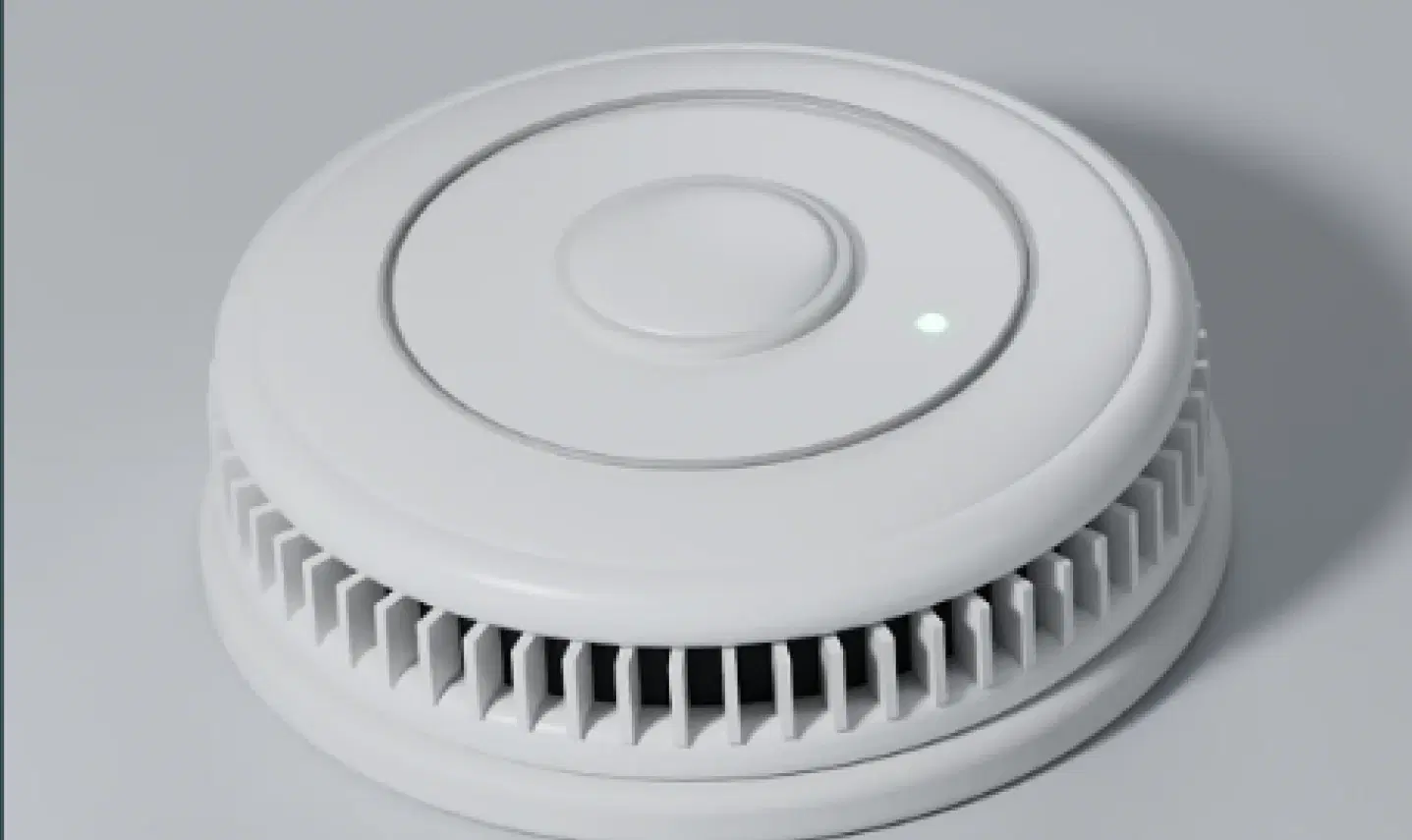
Signal: smoke particles
Smoke alarm
Detects smoke particles
Understanding your results
The simple answer: different tests look for different biological clues.
Oral Genome brings pathogen and host-response context into the same dental visit. When results from Oral Genome and a DNA-based laboratory test don't match, it usually reflects how each test works—not that either test failed.
Scientific Validation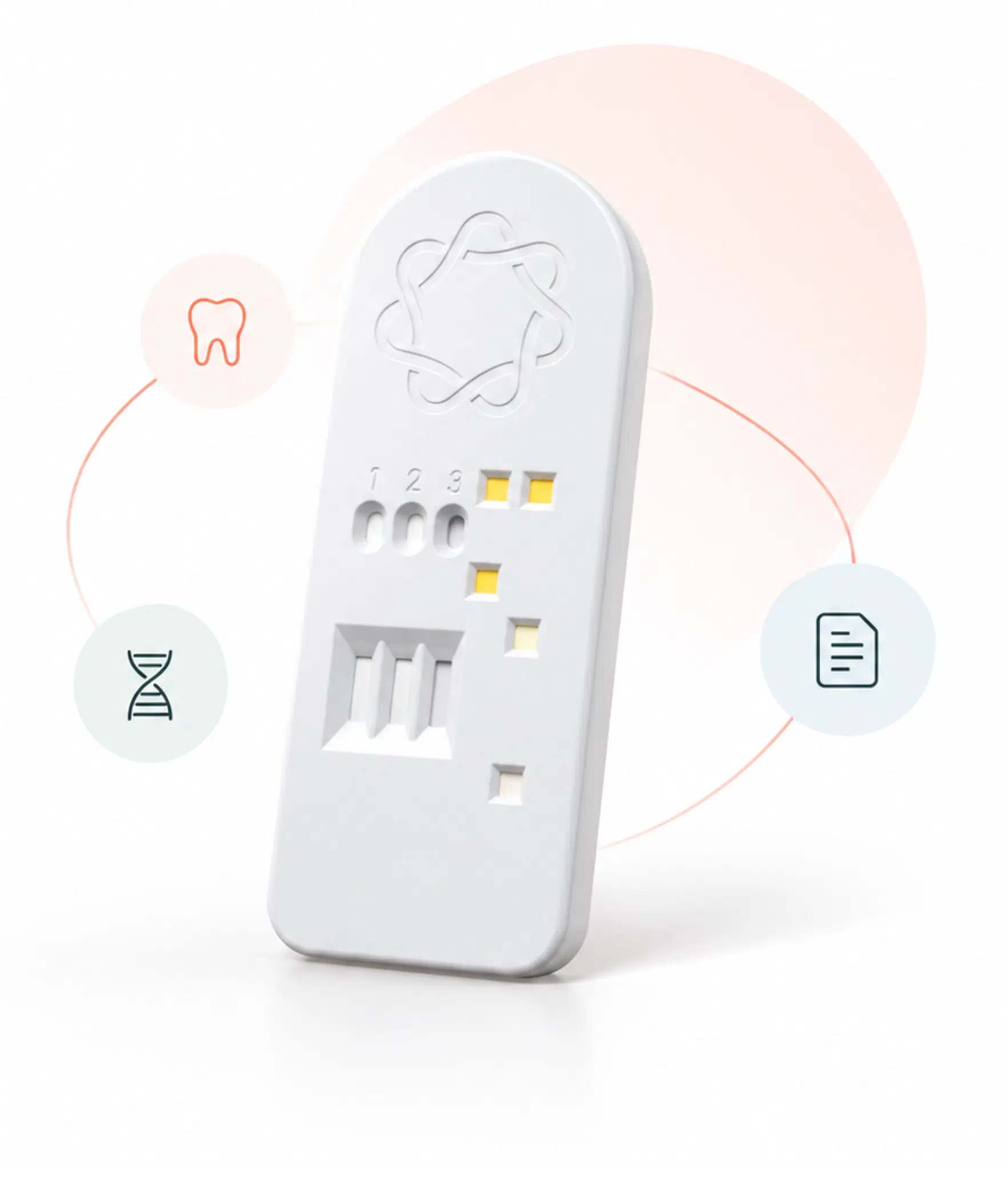
A real-world analogy
Signal: smoke particles
Smoke alarm
Detects smoke particles
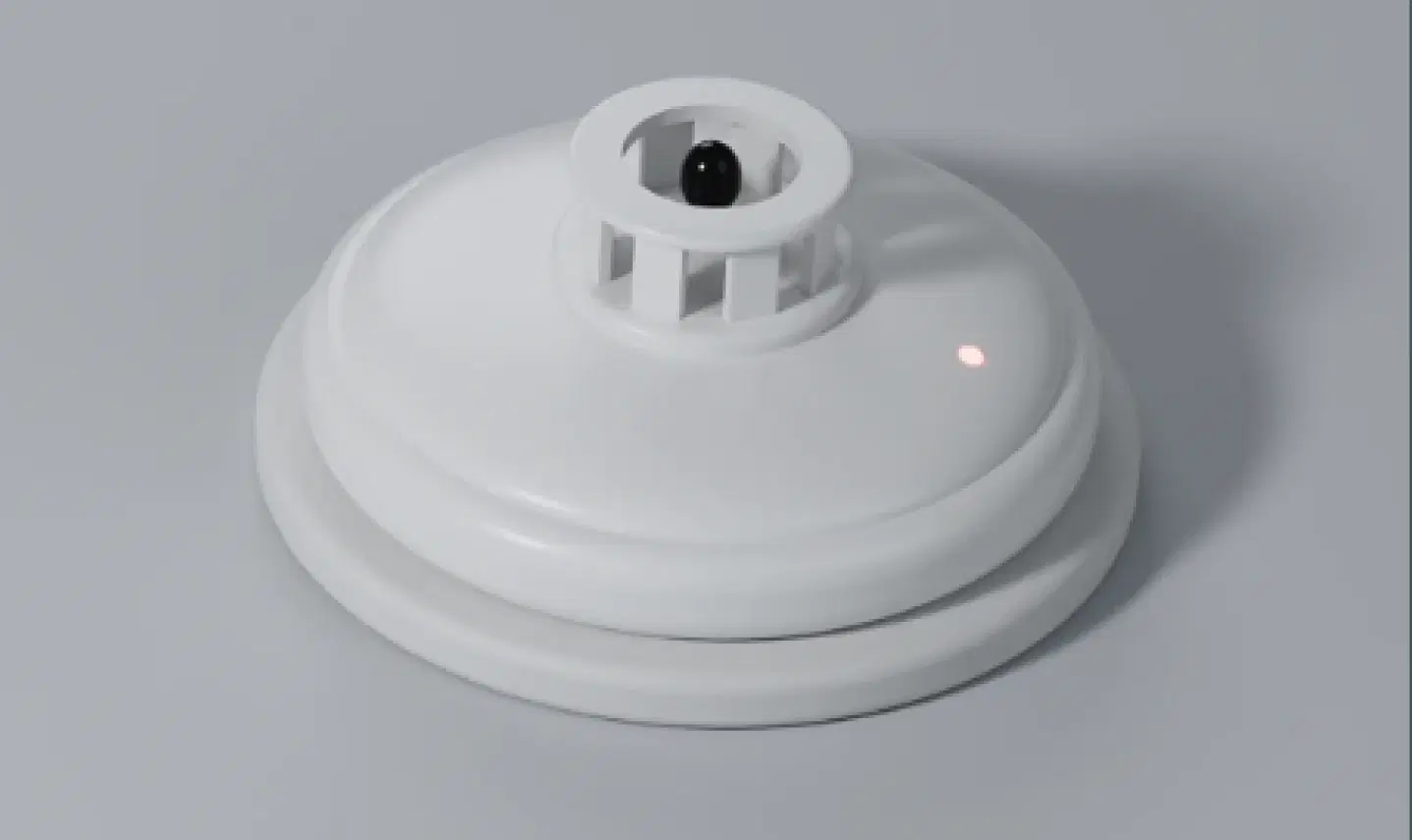
Signal: temperature
Heat alarm
Detects a rise in temperature
A smoke alarm detects smoke particles. A heat alarm detects a rise in temperature. Because they measure different signals and use different thresholds, one may activate while the other does not.
Saliva tests can work the same way.
What each test looks for
Both approaches analyze saliva, but they are designed to detect different biological signals.
Examples include targeted DNA testing and metagenomic sequencing
DNA-based testing can provide a broad microbial profile by detecting microbial genetic material.
Oral Genome uses antibodies built into a lateral-flow test to recognize a P. gingivalis-associated antigen from a fresh saliva sample.
How it works
The antibodies within the test act as recognition tools for a P. gingivalis-associated antigen. The test measures an antigen-associated signal—not the patient's antibodies.